-

2025-07-20 IAM: Miracle Wonders (Giddy 2/22)
My stomach is knotted / With an unholy tangle / Of fear, anger, shame and trauma…
-

Hello, Dread (First Reconciled Part)
Judge: Well, I guess because I am the only Judge most of them ever see. / It is my job to keep the peace, by doing whatever is necessary. / The only ones who ever meet the Chief Judge are the criminals I arrest. / Those [_coughing awkwardly_] who let…
-

2025-07-19 IAM: Fear Less Courage (Giddy 1/22)
Better to hoard the scraps / Of my self-esteem / Than to lose everything / For no gain…
-

God IN the Gaps: The Truman Show as Theological Allegory
Likewise, in our lives, the cracks in our own artificial constructs—be they cultural scripts, religious facades, or egoic performances—can become sites of revelation.
-
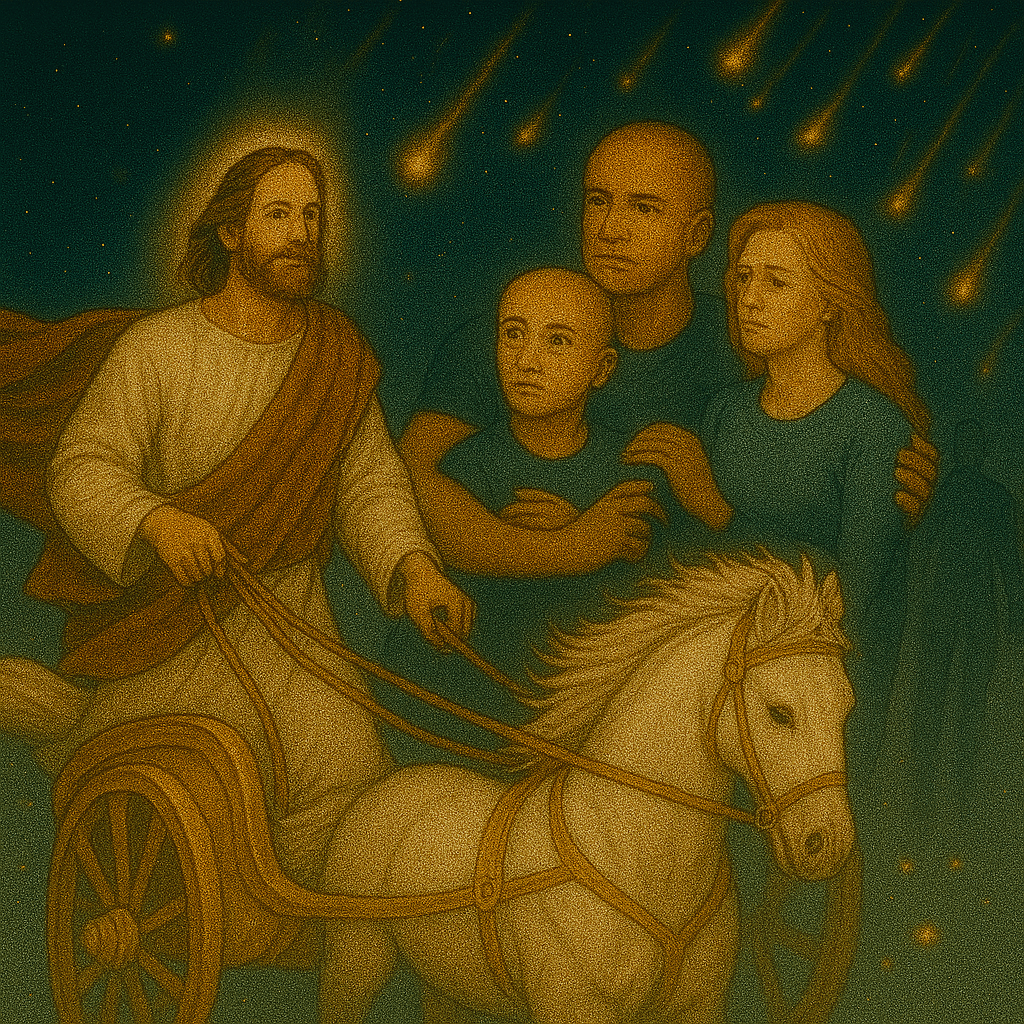
2025-07-18 IAM: Shine Like the Sun (Fantastic 12/12)
As they leave their celestial detachment / And shed their glory / To descend to earth…
-

2025-07-17 YAM: Searching of Heart (Fantastic 11/12)
But that very honor / Makes me pull away in shame / As the LORD draws near / To our distorted family…
-

2025-07-16 SAM: Yahweh Marched Out (Fantastic 10/12)
Our army / And the enemy army / He had unconsciously controlled / Stare at my monstrous form / In horror…
-

2025-07-15 SAM: Arose as a Mother (Fantastic 9/12)
My mind breaks / As I stare at our baby from the future / Hidden in the armor of my enemy…
-

Diaphoris: Towards a Grand Unified Theology of Generativity
Whereas perichoresis describes the mutual indwelling of the Trinity in harmonious unity, diaphoris highlights the dynamic, recursive, and ecstatic agonism of divine being – a continual pattern of connection and separation that yields unbounded generativity…
-

2025-07-13 SAM: Answered the Call (Fantastic 7/12)
She exults / In the new identity / She once hated…
-

2025-07-12 SAM: Show You The Man (Fantastic 6/12)
My monstrous form / And obvious strength / Draws the attention of the enemy…
-

Lavina’s Unfinished Cross: Restoring Grace to The Church
…the LDS Church may be one of the few institutions left with enough moral coherence, enough theological structure, and enough sacred memory for this drama to matter—for the world to watch and learn what repentance looks like….
-

2025-07-11 SAM: Before the Onslaught (Fantastic 5/12)
I am certain / They don’t appreciate / Much less understand / The superpowers / My team suffered so much to gain…
-

2025-07-10 SAM: Marching Out (Fantastic 4/12)
He is a battle-scarred general / Of enormous reputation / Who has fought gallantly against the enemy // And blind…
-

Rest Before You See: A Theological Clarification on “Seeing vs Doing”
Here, “place of repose” is more than psychological; it is ontological and covenantal—a rest in Being itself, an invitation to abide in the Ground of Being. To propose “seeing” without first entering this repose may risk perpetuating the same depth-anxiety your essay seeks to address.
-
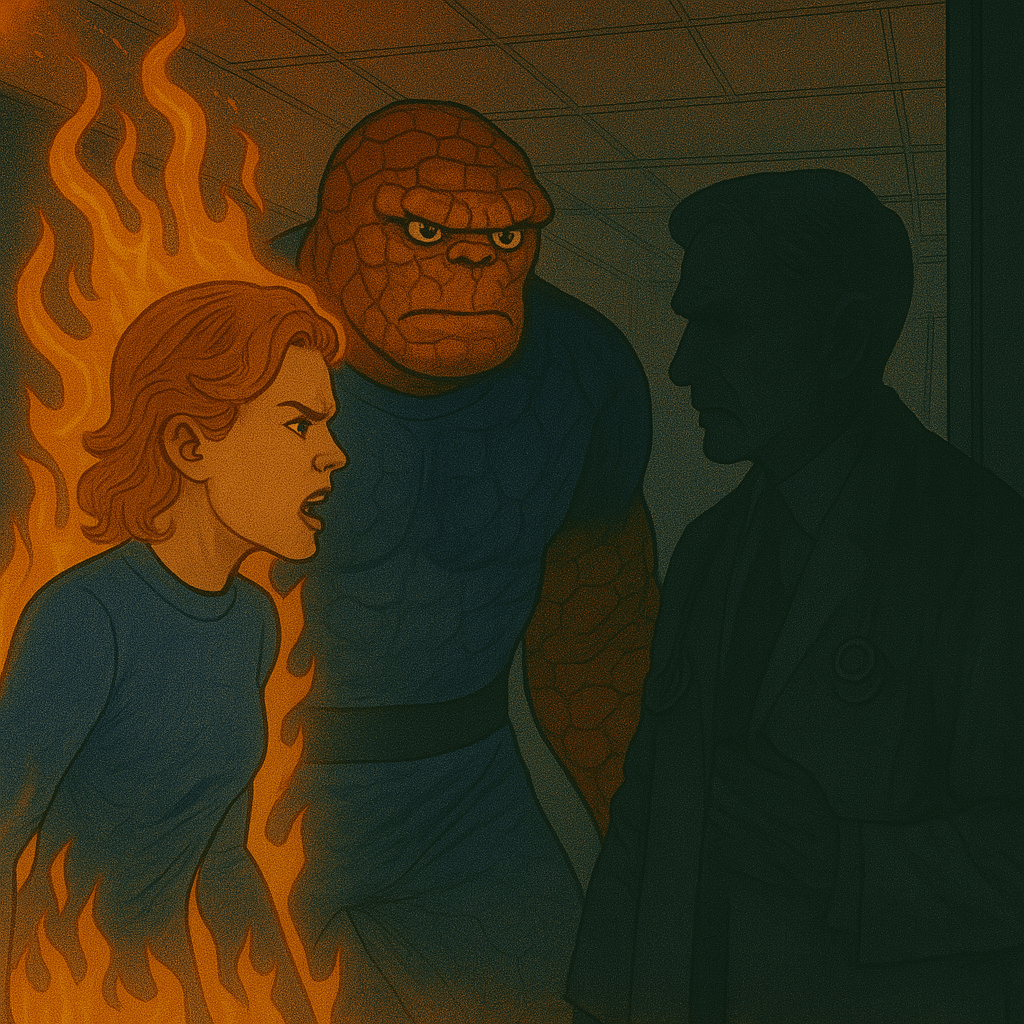
2025-07-09 SAM: Go With You (Fantastic 3/12)
If only / We can stop / Fighting ourselves / And each other…
-
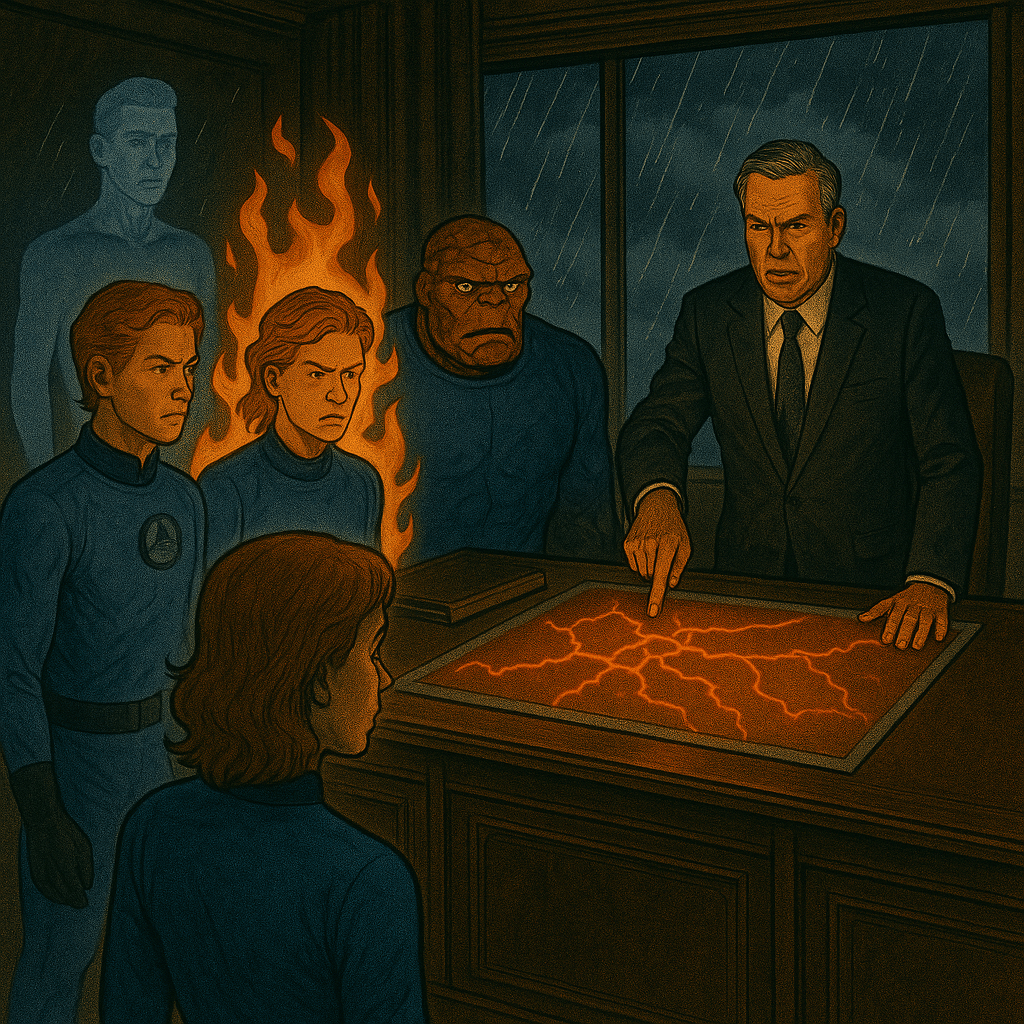
2025-07-08 SAM: Wise Decisions (Fantastic 2/12)
The President / Calls the four of us / Into his office // We are barely speaking / To each other…
-

2025-07-07 SAM: A Fiery Woman (Fantastic 1/12)
She burns with anger / Her brother becomes invisible / My friend twists beyond recognition // I feel like a monster…
-

There Is No Human Being: Seeing as the Antidote to Doing
In truth, there is no human being as a closed noun. There is only human becoming—or more precisely, human seeing.

-
Subscribe
Subscribed
Already have a WordPress.com account? Log in now.
 Radically Happy