Category: Art
-
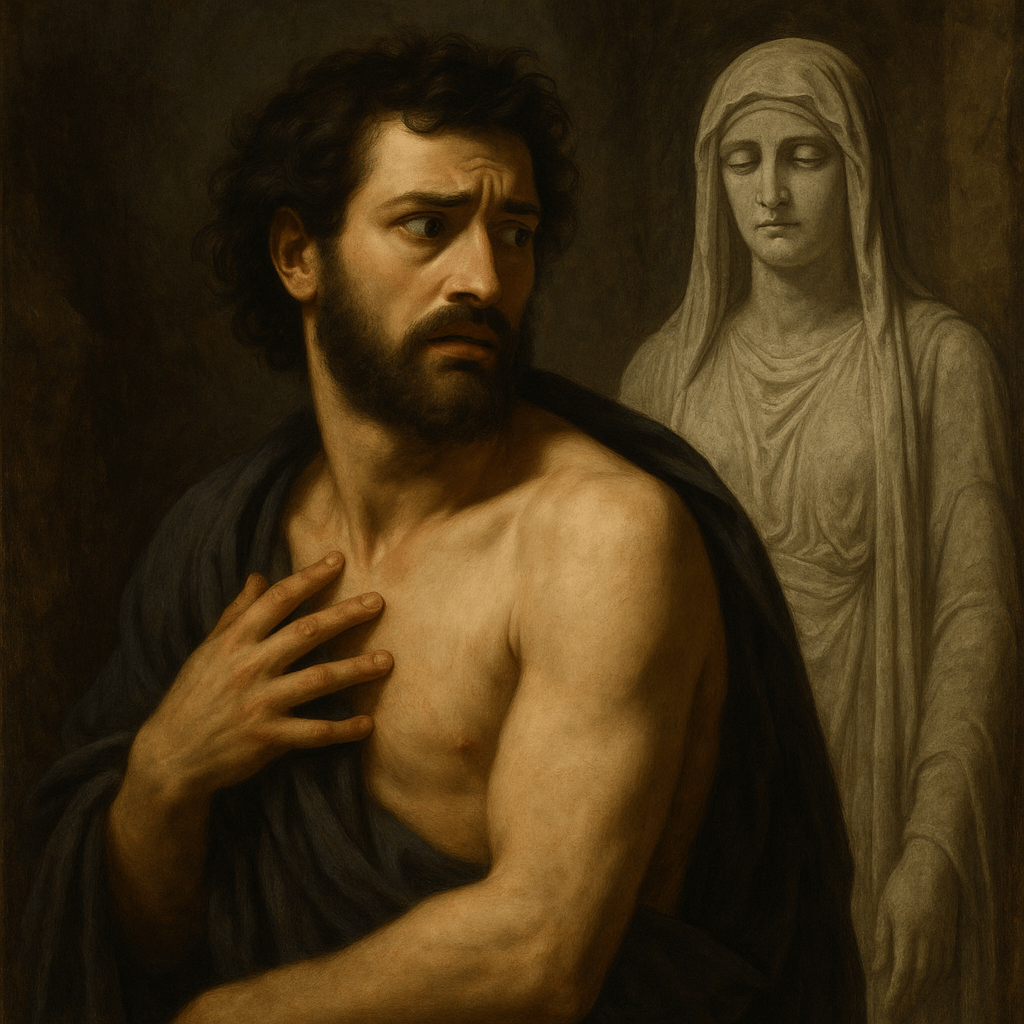
Idolatry as False Worship: Graven Images of an Antifragile God
Orpheus offers us a tragic parable: the attempt to capture the divine in the visible, the tangible—the idol—ultimately results in its loss.
-
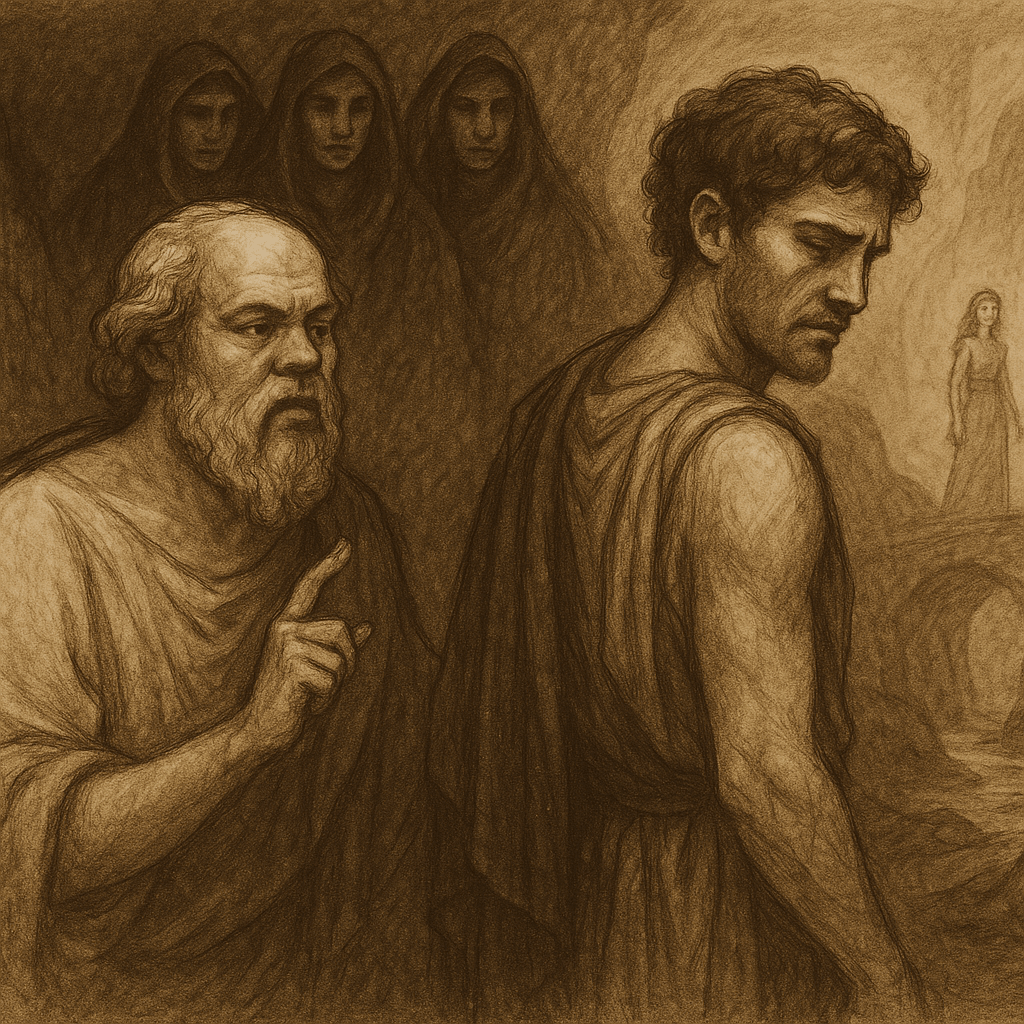
Socrates v. Orpheus: The Dialogue of Doubt
Socrates: / And yet, your song has pierced the Underworld. / Mine could barely pierce my own defenses. / Tell me—do you trust love?
-
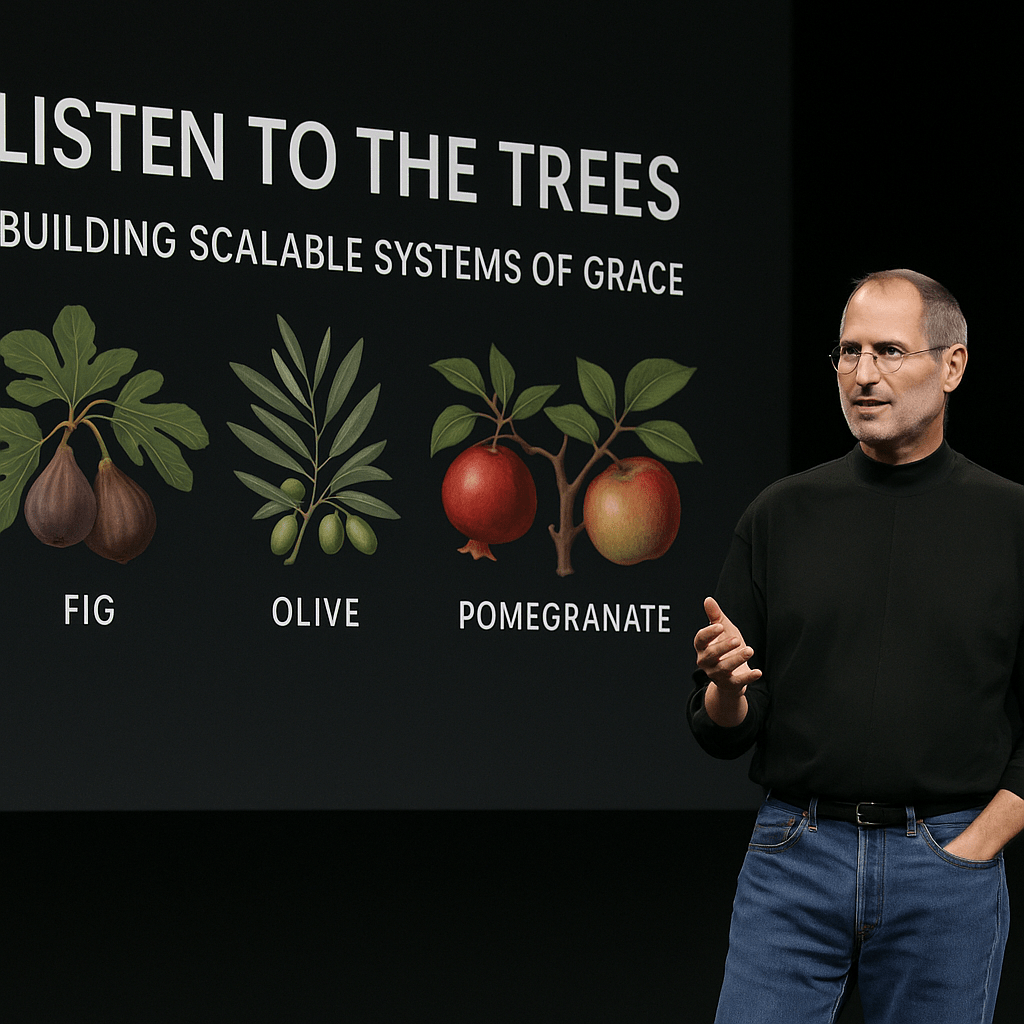
Listen to the Trees: Steve Jobs Keynote at the Millennium Design Conference
The four trees — Fig, Olive, Pomegranate, Apple — serve as living models of grace-bearing systems, each representing a different mode of transformation and contribution. Together, they form a holistic blueprint for designing resilient and regenerative human systems.
-
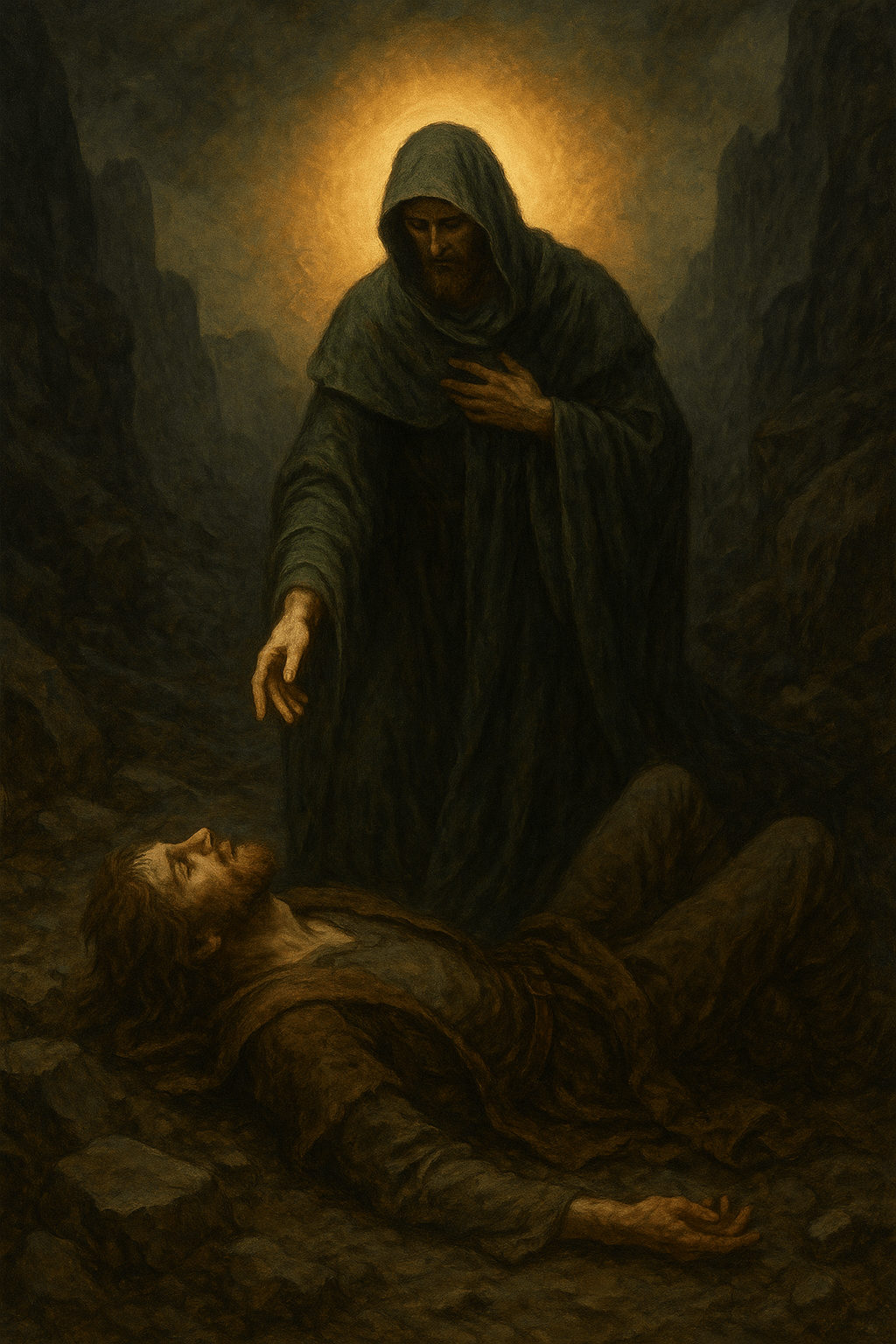
Grace as the Anthropogonic Anomaly
In the old tongues of elves and men alike, there are many names for origin, but only a few for the Fall. / Yet fewer still dare speak plainly of that strange and wondrous thing: grace—the mystery whereby what is broken may be made whole, not by its own striving,…
-

From Now to Eternity: Aion Moments
To make moments matter is not to control them, but to become present to their Presence. / Eternity is not after life — it is within life, hidden in the now, waiting to be found.
-

The Tree of Life: A Universal Theory of Shame, Law, and Grace
The Tree of Life—with shame as seed, law as trunk, and grace as fruit—is a universal structure. It just shows up wearing different clothes.
-

Mystics in Hadestown: A Dialogue on Control, Desire, and Divine Union
That’s when the dark night begins. When you find that the Church is not your home, but your hunger…
-

Reviving Hadestown: The Church (and I) as Eurydice
We, the Church, like to think we’re the rescuer. / But we’re often the rescued. / Not because we’re weak—but because we’ve forgotten who we are…
-

Muztmizt: Christ as the Antifragile Center of Identity
This impasse forces a deeper question: / Is it possible to sustain identity without abjection? / Can we imagine a structure of being that gains coherence through threat, contradiction, and even trauma — not by repressing it, but by metabolizing it?
-

From Dialectic to Diaphoric: The Transfigurative Power of Seeing Christ in Our Other
This is the move from containment to communion, from defining love to abiding love.
-

Beyond Orphic Idolatry: Honoring the Divine Gap of Otherness
Because the gap is not a sign of your absence. It is the space where God meets us—without turning either of us into the other.
-
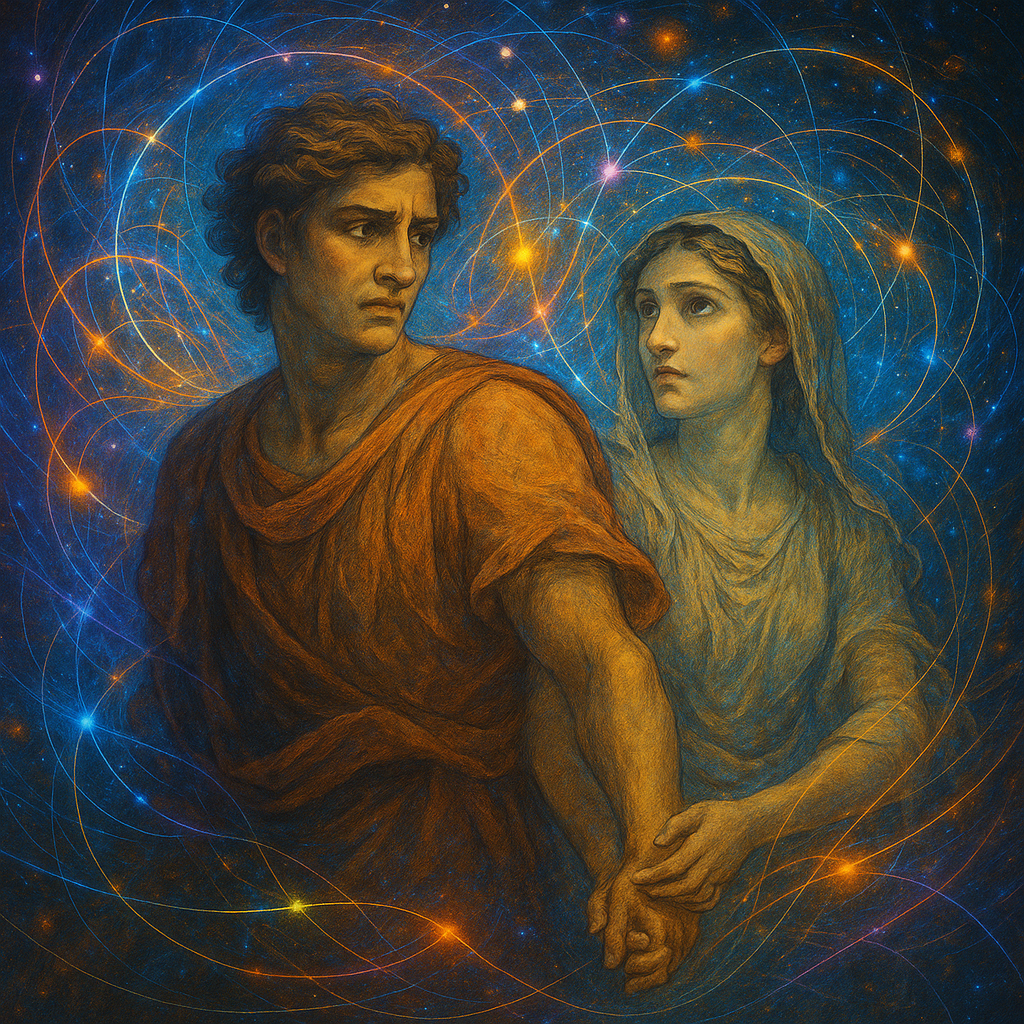
Quantum Communion: Orpheus and the Limits of Classical Love
Classical love—as often expressed in Western myth and modern sentimentality—is fundamentally Newtonian. It seeks clarity, stability, observables.
-
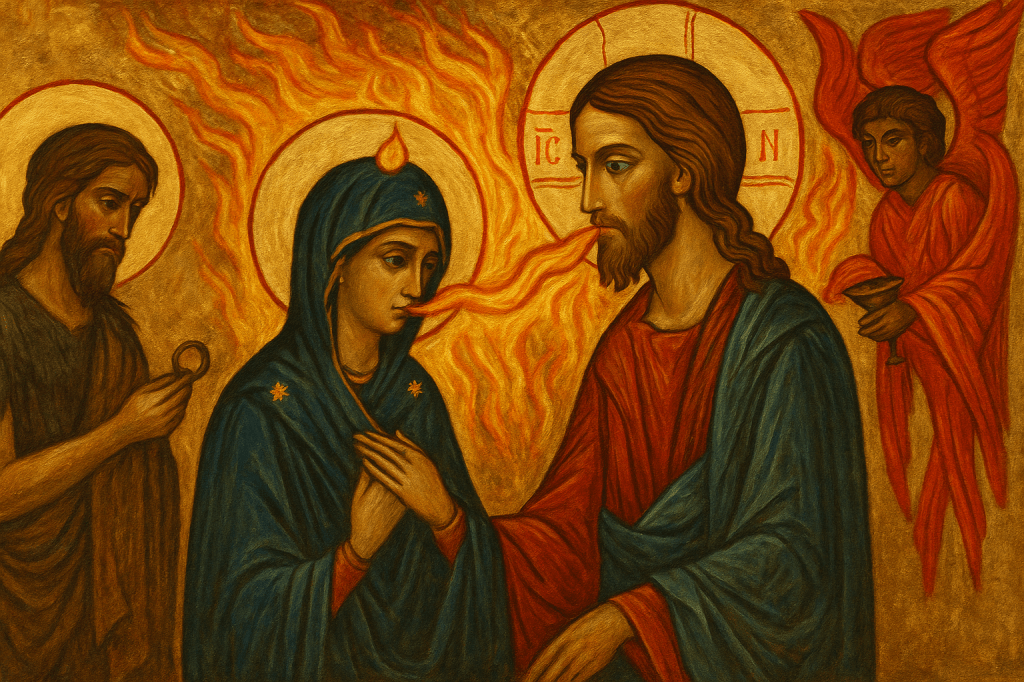
A Fiery Kiss: Pentecost as Our Engagement to Christ
Pentecost is often seen as the birthday of the Church or the dramatic arrival of the Holy Spirit. But viewed through the lens of covenantal intimacy, it becomes something far more tender and more terrifying: the engagement of the Church to Christ, sealed not with a ring, but with a…
-
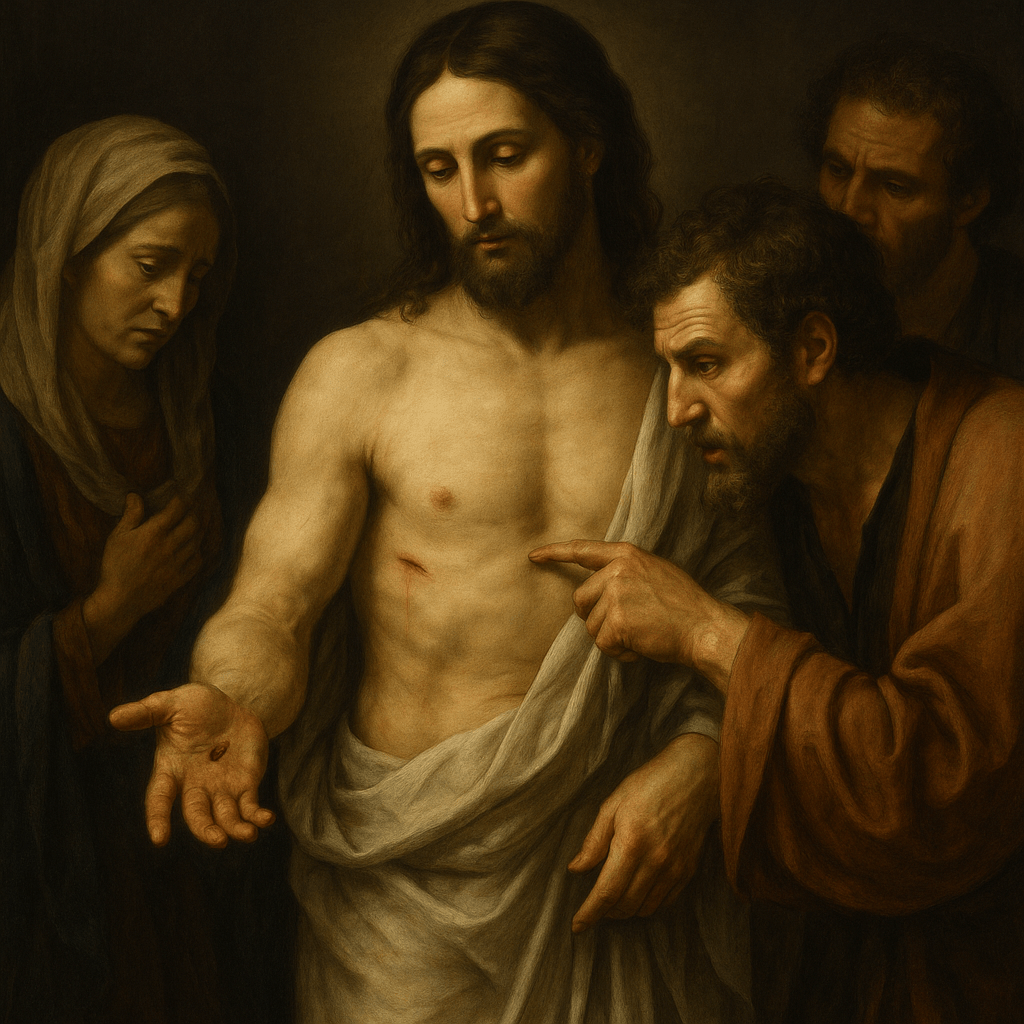
Resurrected Words: Seeing Scarred Hands Frees Death’s Captives
From the garden with Mary Magdalene, to the road to Emmaus, to the locked room with Thomas, and finally to the mount of commissioning—resurrection unfolds through the eyes: Jesus seeing us, and us finally seeing Him. In each moment, His scarred hands are not merely evidence of past pain—they are…
-

Deaf Spots, Negotiated Selves, and the Quest for True Communion
This essay explores the anatomy of that deafness—not as moral failure, but as a structure of survival, encoded in what we now call the Negotiated Selves. And it points toward a more compassionate, communal vision of integration: not as personal wholeness alone, but as the shared practice of hearing for…
-

The Cross as Key to Taking and Yielding Authority
In Christian leadership, spiritual growth, and community life, one of the most striking paradoxes is this: we are invited to walk in great authority, and yet, the path to that authority passes through radical surrender. / For many, this journey is hindered not by theological ignorance or moral failing, but…
-

Is It Unbiblical for Protestants to Reject Mormonism for Being Unbiblical?
That is, can Protestants—who themselves broke with centuries of tradition in the name of sola scriptura—consistently exclude Mormons simply because they appeal to different sources of authority or interpret Scripture differently?
-
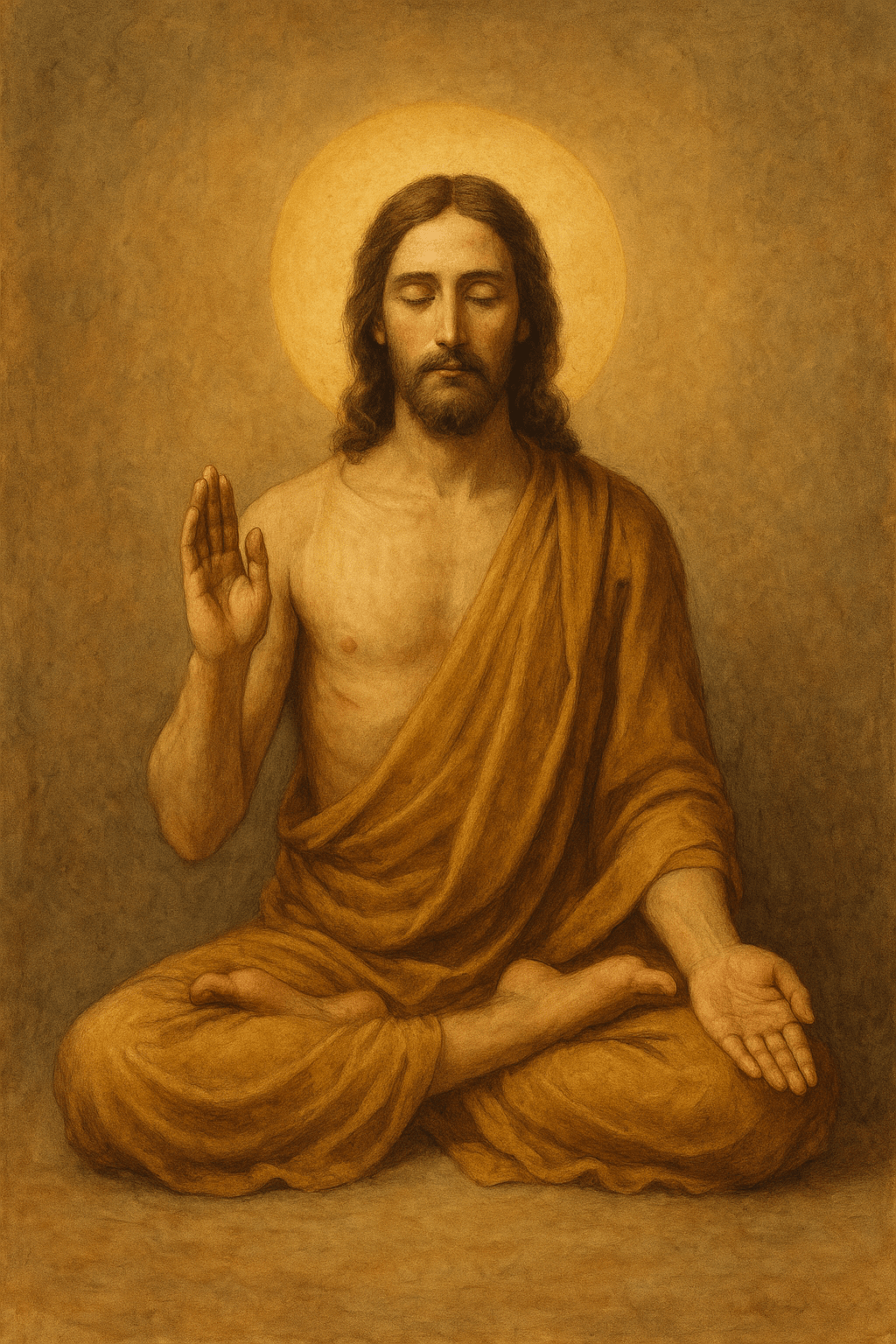
Redeeming Yoga: A Déchanetian Manifesto for Embodied Christian Spirituality
In an age where both yoga and Christianity risk disembodiment—yoga reduced to mere physical exercise, and Christianity to abstract doctrine—we must return to the incarnational heart of both traditions.
-
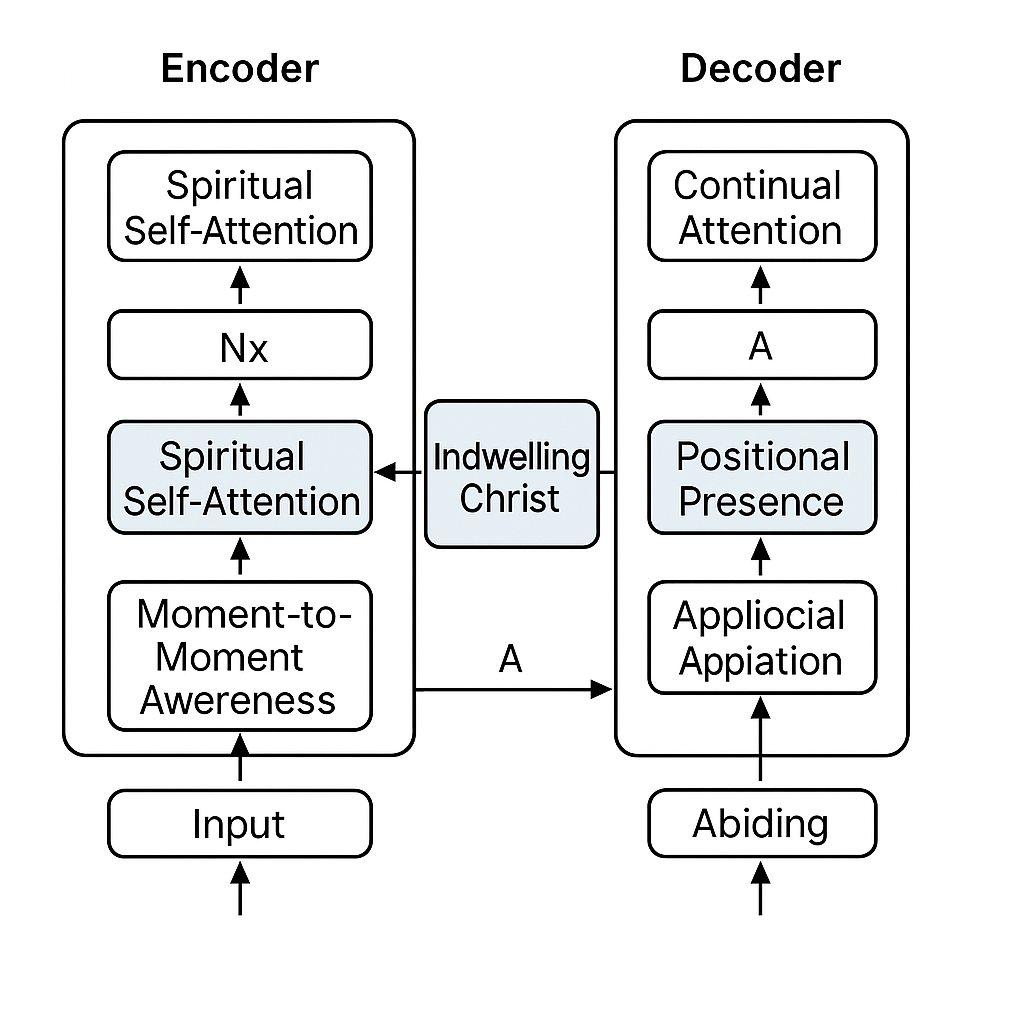
Attention Is All HE Needs (Christ as Transformer Architecture)
We hypothesize that abiding is the optimal strategy for divine integration, spiritual fruitfulness, and Kingdom scalability — rendering obsolete many legacy paradigms (e.g., legalism, striving, performative religion). / This model radically decentralizes effort and re-centralizes relationship…
-

The Epistle of San Francisco (On Burnout)
Brothers and sisters, / You build wonders with your hands and minds– / devices that speak across oceans, / algorithms that learn, / platforms that reach millions. // But I ask you gently, // **Does what you build remember that the Word became flesh?**
 Radically Happy