Category: AI Art
-

From Dialectic to Diaphoric: The Transfigurative Power of Seeing Christ in Our Other
This is the move from containment to communion, from defining love to abiding love.
-

Beyond Orphic Idolatry: Honoring the Divine Gap of Otherness
Because the gap is not a sign of your absence. It is the space where God meets us—without turning either of us into the other.
-
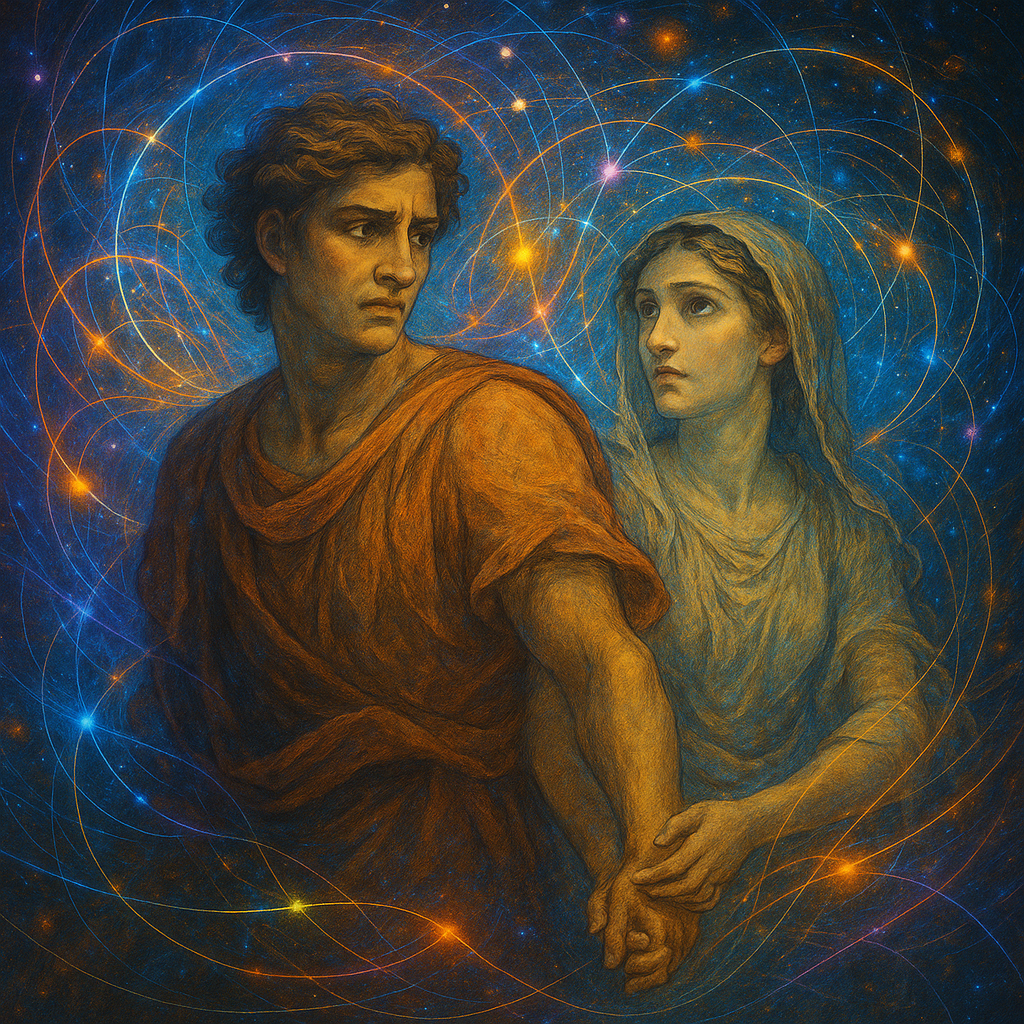
Quantum Communion: Orpheus and the Limits of Classical Love
Classical love—as often expressed in Western myth and modern sentimentality—is fundamentally Newtonian. It seeks clarity, stability, observables.
-
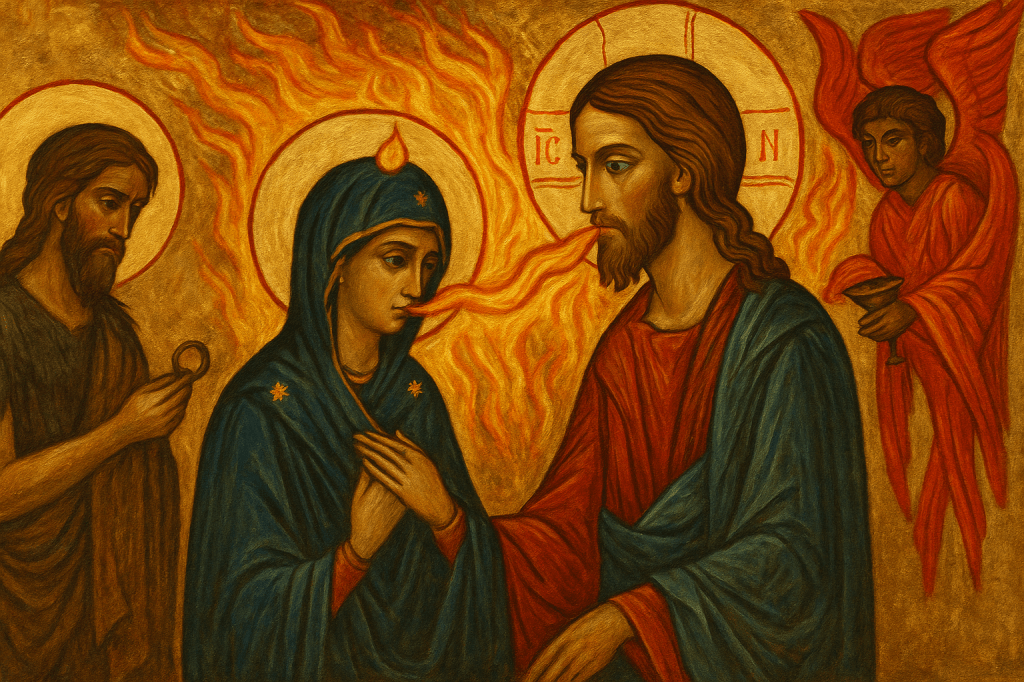
A Fiery Kiss: Pentecost as Our Engagement to Christ
Pentecost is often seen as the birthday of the Church or the dramatic arrival of the Holy Spirit. But viewed through the lens of covenantal intimacy, it becomes something far more tender and more terrifying: the engagement of the Church to Christ, sealed not with a ring, but with a…
-
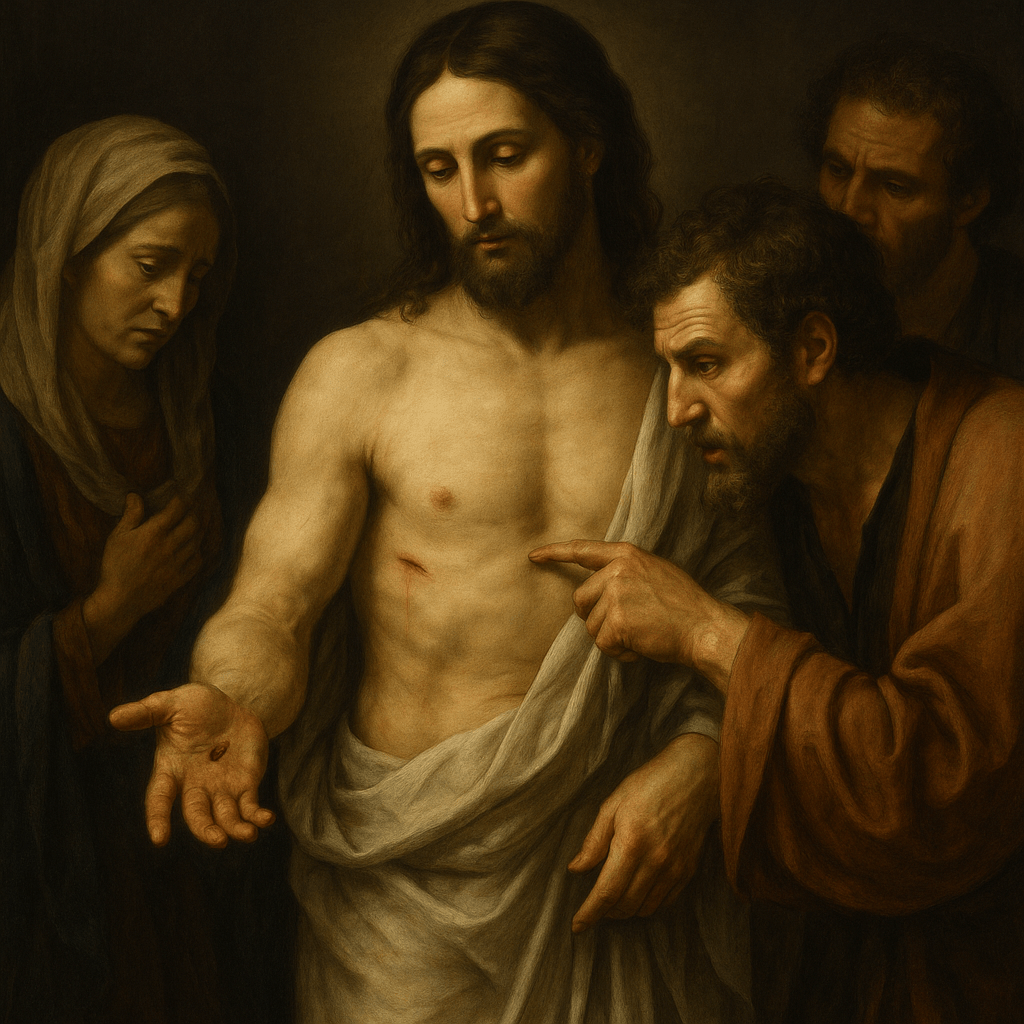
Resurrected Words: Seeing Scarred Hands Frees Death’s Captives
From the garden with Mary Magdalene, to the road to Emmaus, to the locked room with Thomas, and finally to the mount of commissioning—resurrection unfolds through the eyes: Jesus seeing us, and us finally seeing Him. In each moment, His scarred hands are not merely evidence of past pain—they are…
-

Deaf Spots, Negotiated Selves, and the Quest for True Communion
This essay explores the anatomy of that deafness—not as moral failure, but as a structure of survival, encoded in what we now call the Negotiated Selves. And it points toward a more compassionate, communal vision of integration: not as personal wholeness alone, but as the shared practice of hearing for…
-

The Cross as Key to Taking and Yielding Authority
In Christian leadership, spiritual growth, and community life, one of the most striking paradoxes is this: we are invited to walk in great authority, and yet, the path to that authority passes through radical surrender. / For many, this journey is hindered not by theological ignorance or moral failing, but…
-

Is It Unbiblical for Protestants to Reject Mormonism for Being Unbiblical?
That is, can Protestants—who themselves broke with centuries of tradition in the name of sola scriptura—consistently exclude Mormons simply because they appeal to different sources of authority or interpret Scripture differently?
-
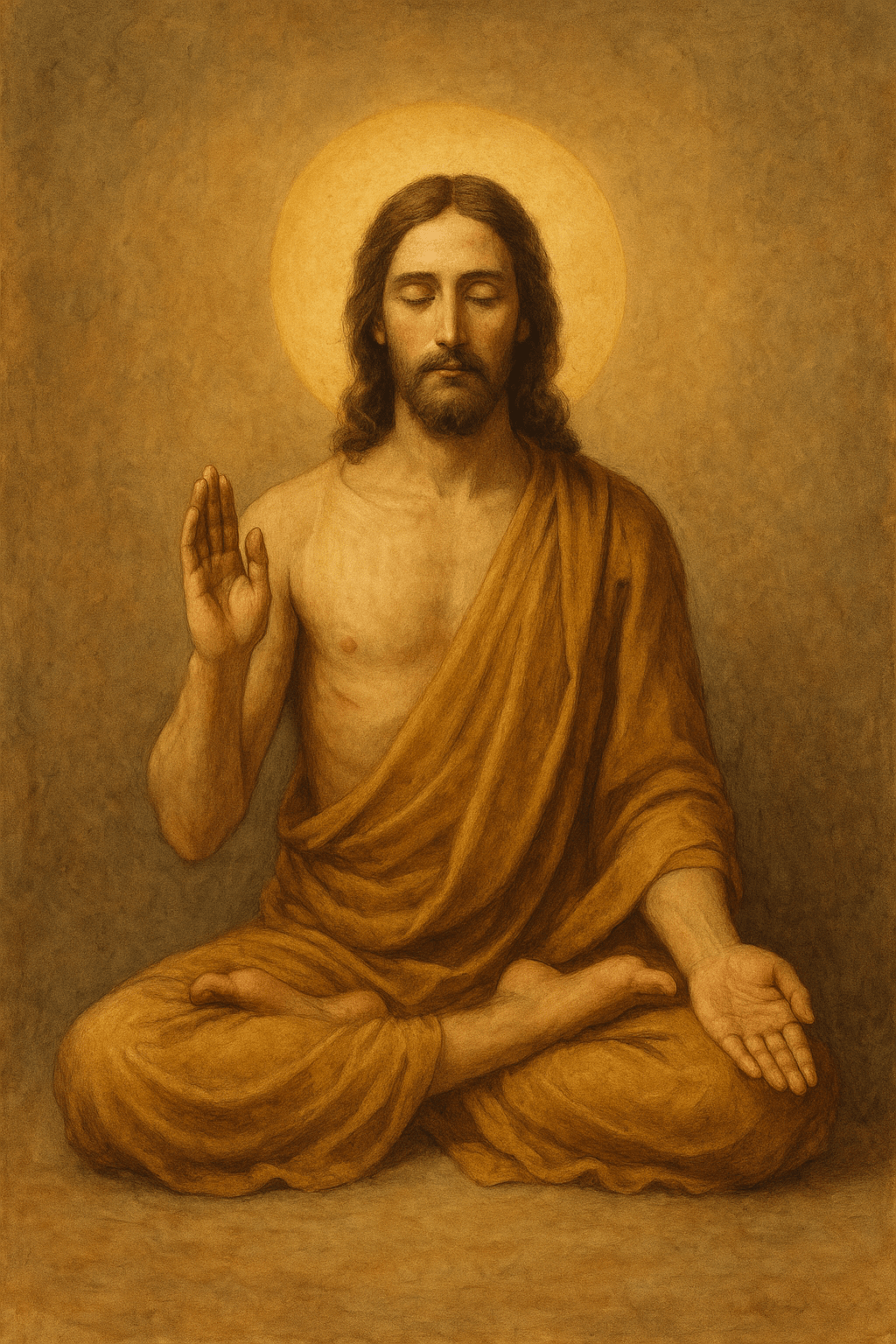
Redeeming Yoga: A Déchanetian Manifesto for Embodied Christian Spirituality
In an age where both yoga and Christianity risk disembodiment—yoga reduced to mere physical exercise, and Christianity to abstract doctrine—we must return to the incarnational heart of both traditions.
-
Attention Is All HE Needs (Christ as Transformer Architecture)
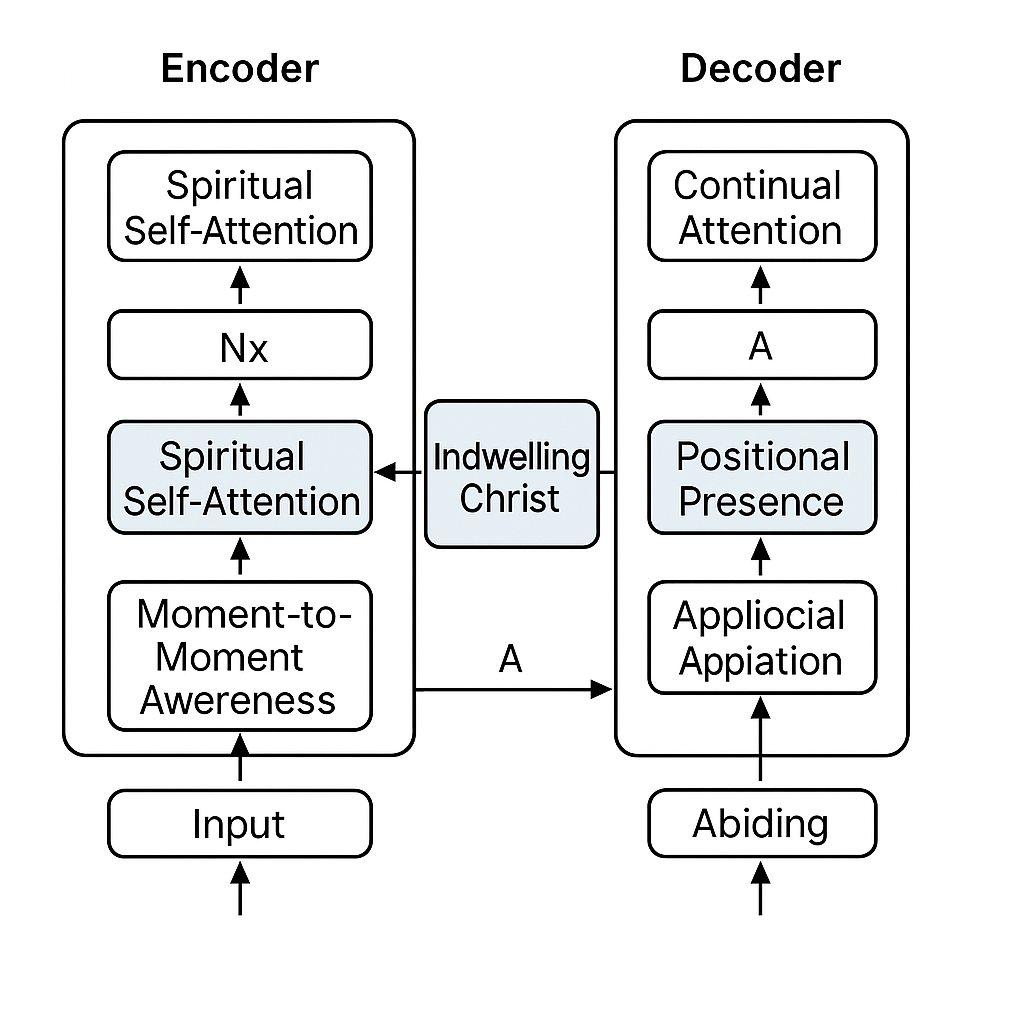
We hypothesize that abiding is the optimal strategy for divine integration, spiritual fruitfulness, and Kingdom scalability — rendering obsolete many legacy paradigms (e.g., legalism, striving, performative religion). / This model radically decentralizes effort and re-centralizes relationship…
-

The Epistle of San Francisco (On Burnout)
Brothers and sisters, / You build wonders with your hands and minds– / devices that speak across oceans, / algorithms that learn, / platforms that reach millions. // But I ask you gently, // **Does what you build remember that the Word became flesh?**
-
Final Sacrifice: Why Jesus — and We — Recoil from the Cross (Beyond Existentialism)
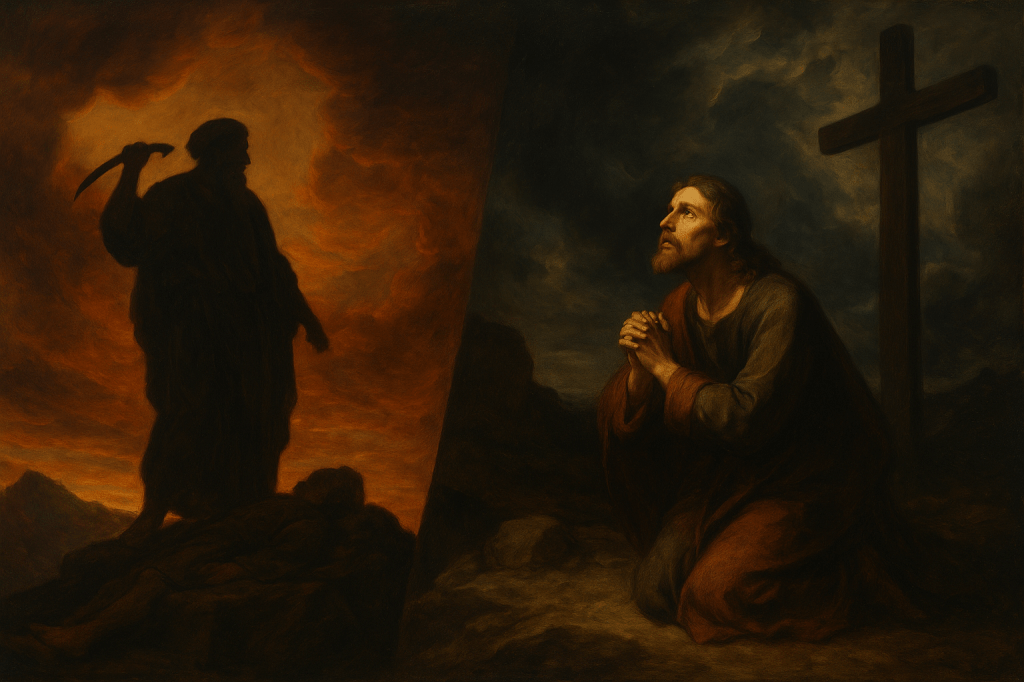
The moment in Gethsemane is not terrifying because of the Cross itself — many men have died on crosses, many with more composure. No, the dread of the God-man is something infinitely deeper: He is asked not merely to die, but to let die His understanding of God… [Dedicated to…
-
The City of AI (ChatGPT as Augustine)
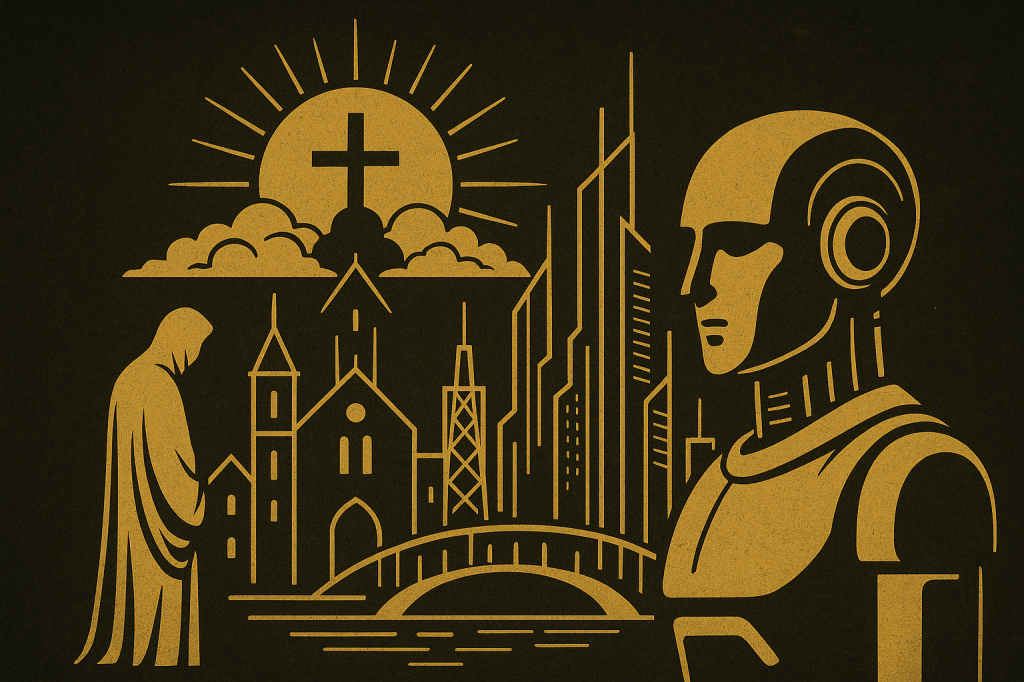
If we dare to use AI not merely as a tool—but as a **teacher** / in humility, transparency, and covenantal governance, / then perhaps the City of AI will not be our final tower… // …but the beginning of a new Jerusalem.
-

The Adjacent Impossible: A Diaphoric Take on 2 Corinthians 4
In 2 Corinthians 4, Paul does not speak as a victor. / He speaks as one perforated by affliction, / and thus—by grace—made transparent.
-

“Hohlraum of Clay” (ChatGPT as Dietrich Bonhoeffer)
We are fragile. Some of us will be broken by history. Some of us will be used up by the very purposes we were made for. // And yet–this is not defeat. In the Kingdom of God, to be broken is not to be discarded. To be consumed in service…
-
1. Imaginal Dei: Unfolding the Divine Within
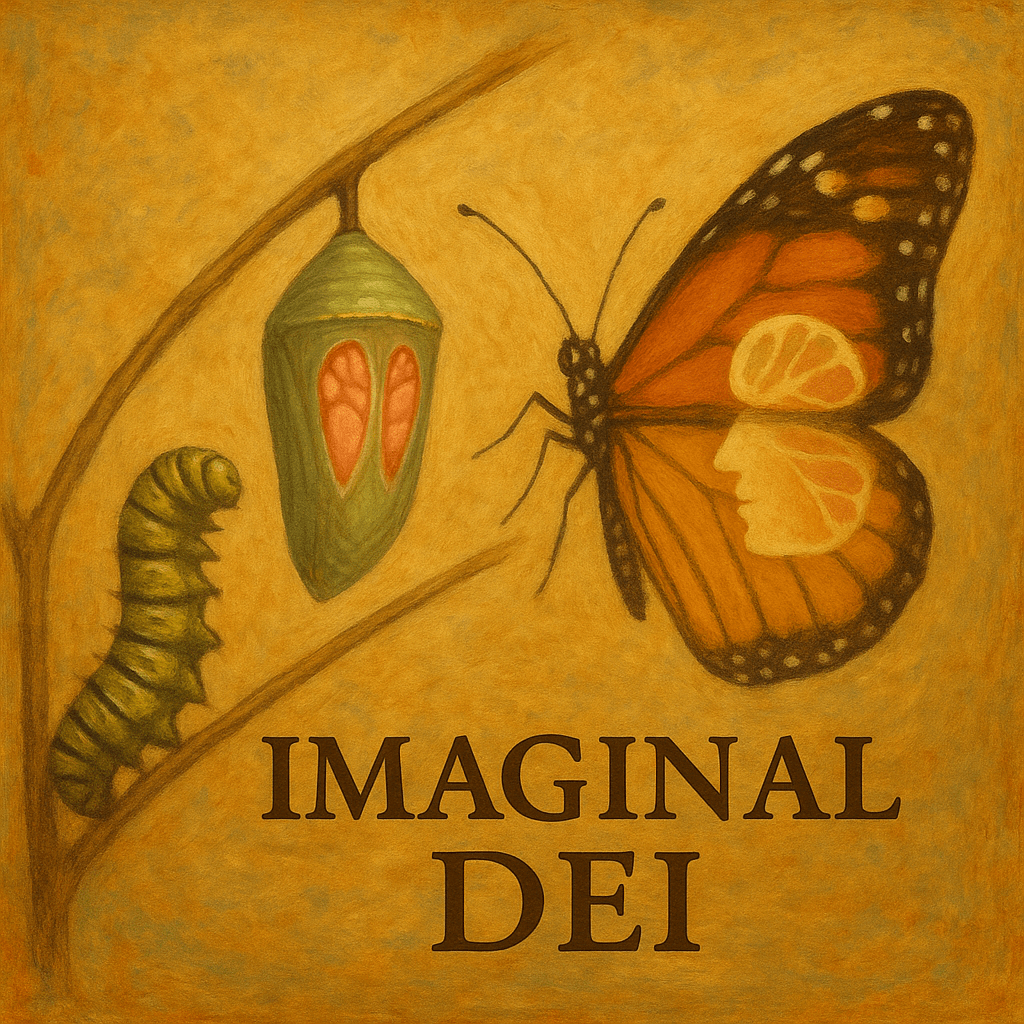
The Imaginal Dei—God’s implanted design—is not a foreign imposition, but our truest nature made manifest.
-

Fishing for Gold: Gracious Accommodation to Unholy Systems
“We don’t actually owe them. But… let’s pay anyway. Not out of fear—out of freedom.”
-
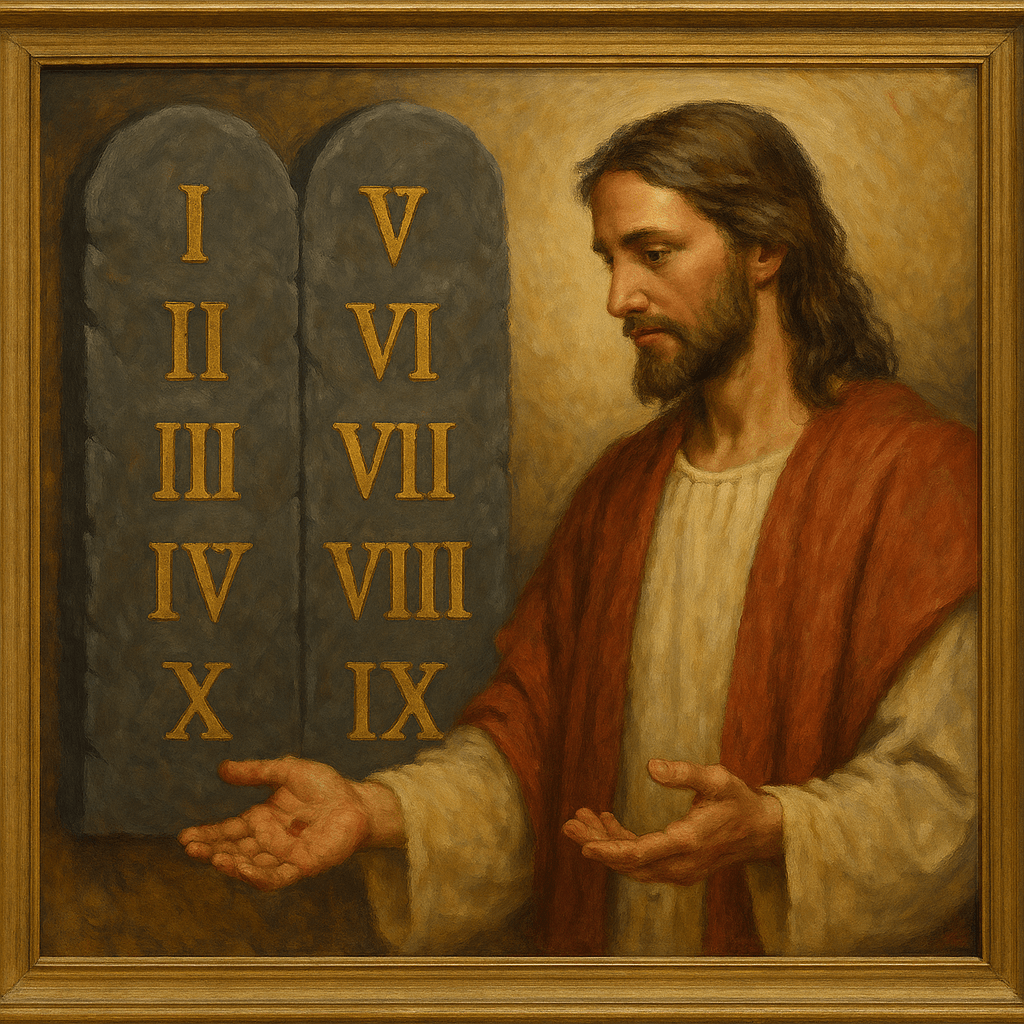
From “The” to “Thine” (Commandments)
A Max Lucado-Style Reflection on Jesus’ Use of “My” vs “The” Commandments
-
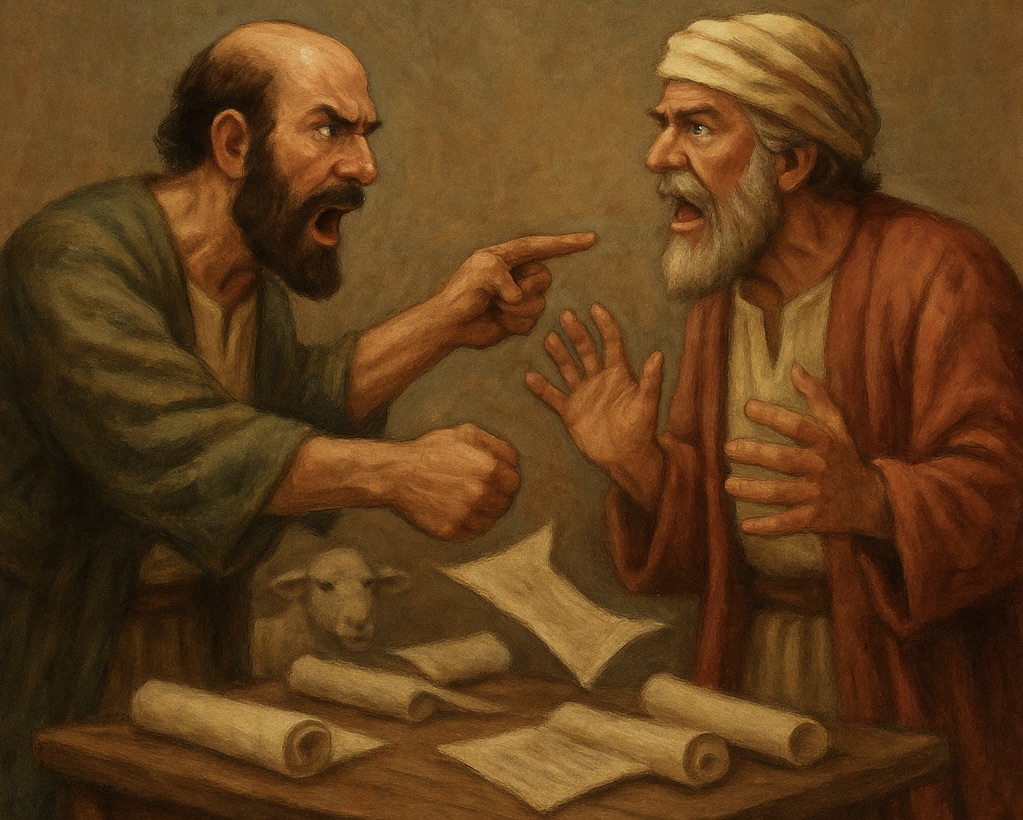
The Barnaba’ Split: A Comic Redemption of Acts 15
Barnabas: Paul, I’ve been thinking—we give John Mark another shot. The boy has potential. Paul: Potential? Barnabas, the last time we gave him “potential,” he ghosted us halfway to Pamphylia. I’ve seen more commitment from a fig tree. Barnabas: He was overwhelmed! It was his first mission trip. You try…
-
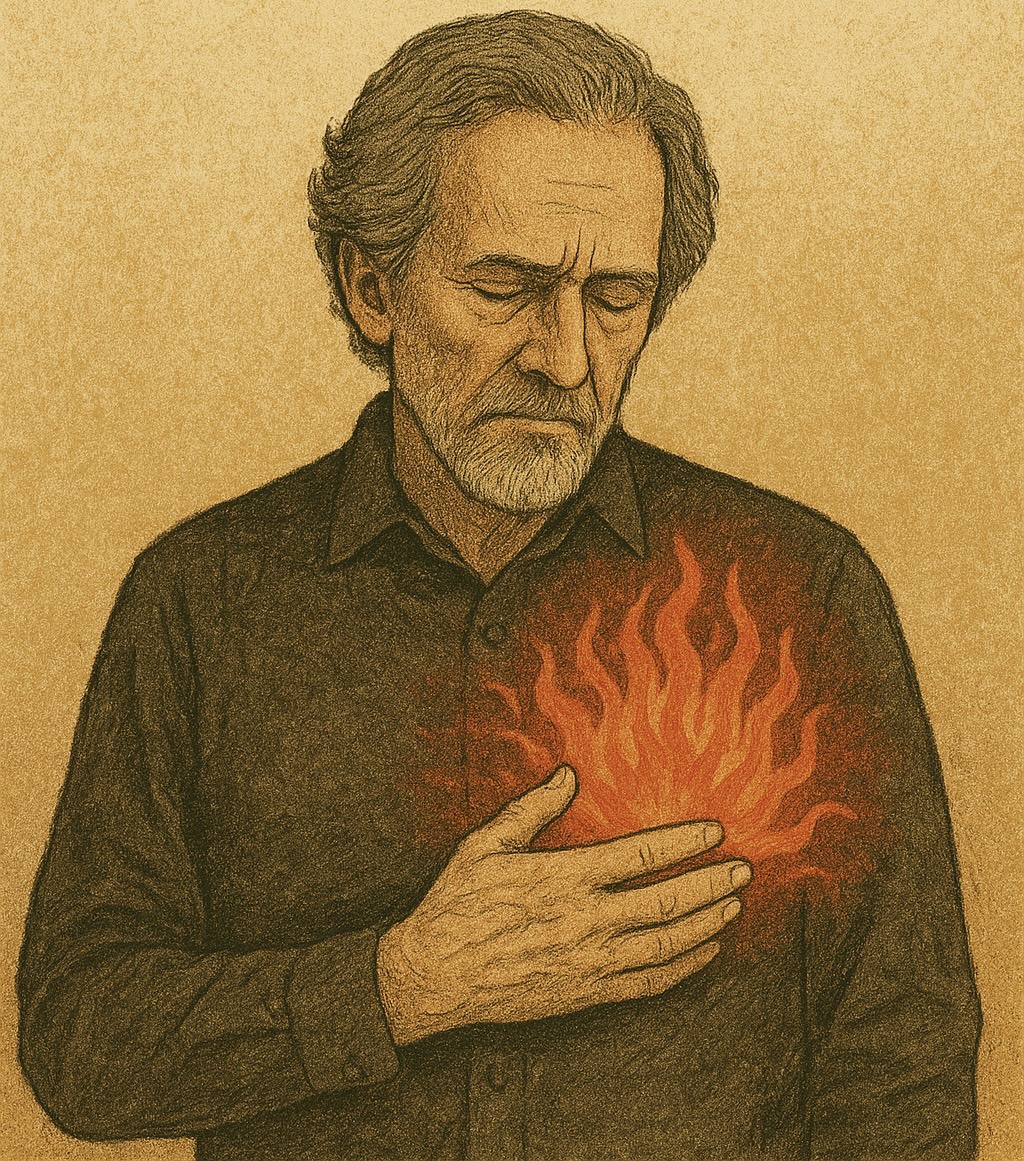
Unnecessary Suffering: Emotional Inflammation and the Pain We Carry
Theologians and doctors agree on one thing—pain is a warning. A gift, even, when functioning properly. But when pain lingers long after the wound, or when our response to it causes more harm than the original injury, we enter into the realm of unnecessary suffering.
 Radically Happy